

Sea Ivory
Ramalina siliquosa (Huds.) A.L.Sm.
Edibility
Edibility unknown — do not eat
Never eat a wild mushroom based on this site or any app.
Photos
-

Photo: Vesa Oikonen. CC0. Source (inaturalist) -

Photo: Vesa Oikonen. CC0. Source (inaturalist)
Lookalikes
No lookalikes are recorded for this species yet. That does not mean there are none. Many mushrooms look alike, so never rely on appearance alone.
Season
When this species has been recorded, by month, from open-licensed US and Canada observations. It shows when people report it, not a guarantee it is fruiting.
The highlighted bar is the current month.
View season data as a table
| Month | Records |
|---|---|
| January | 0 |
| February | 0 |
| March | 0 |
| April | 0 |
| May | 0 |
| June | 1 |
| July | 0 |
| August | 3 |
| September | 0 |
| October | 2 |
| November | 0 |
| December | 0 |
Where it is found
States and provinces with the most records. Check the foraging rules for the place you plan to visit.
- Hawaii 3 records · Foraging rules
- California 2 records · Foraging rules
- Newfoundland and Labrador 1 records · Foraging rules
About
Ramalina siliquosa, also known as sea ivory, is a tufted and branched lichen which is widely found on siliceous rocks and stone walls on coastlands round the British Isles, occasionally slightly inland. It grows well above the high-tide mark but is still very tolerant of salt spray. The branches are flattened and grey, and bear disc-like spore-producing bodies. It forms part of the diet of sheep in Shetland and on the coast of North Wales. It is found in Iceland where it has a conservation status of a vulnerable species.
From Wikipedia, CC BY-SA 4.0. Read the original article.
Recent finds
No community finds tagged with this species yet. Log a find.
More in the genus Ramalina
-
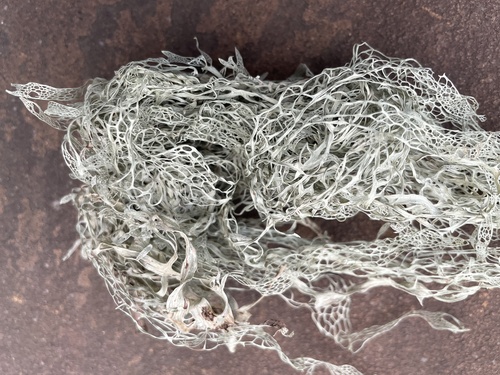
Lace Lichen
Ramalina menziesii
Edibility unknown — do not eat -
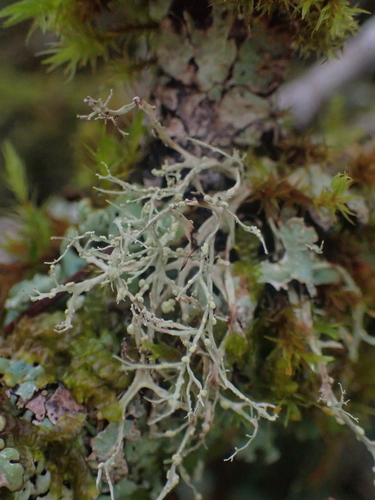
Farinose Cartilage Lichen
Ramalina farinacea
Edibility unknown — do not eat -
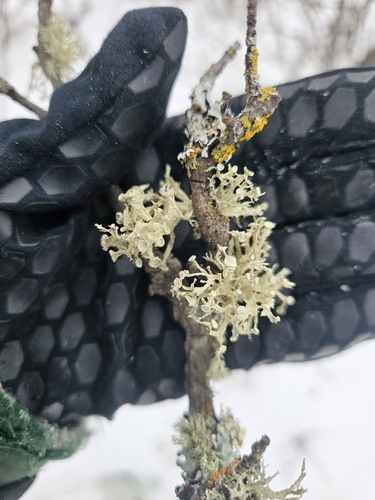
Sinewed Bushy Lichen
Ramalina americana
Edibility unknown — do not eat -
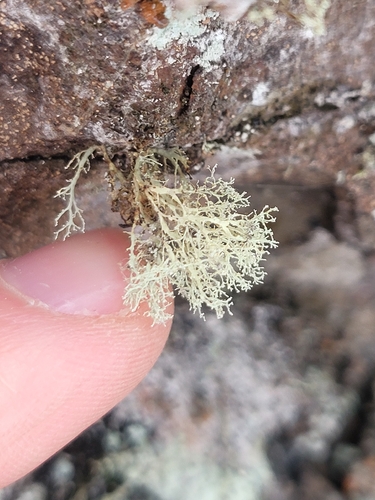
Rock Bushy Lichen
Ramalina intermedia
Edibility unknown — do not eat -
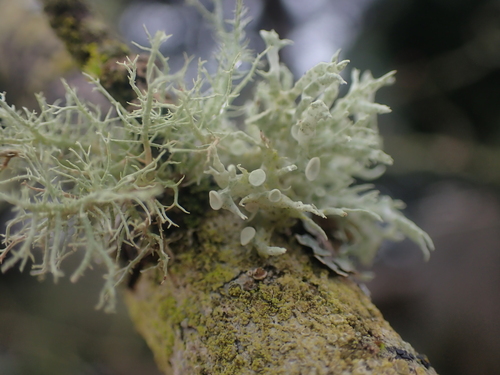
Punctured Bushy Lichen
Ramalina dilacerata
Edibility unknown — do not eat -
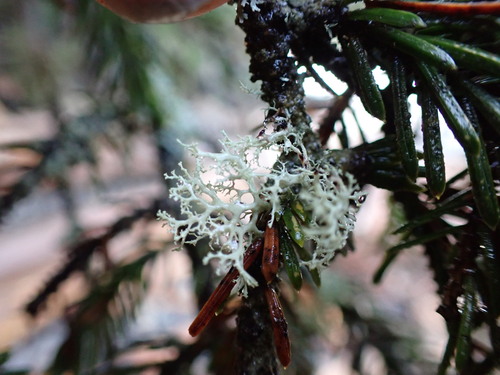
Frayed Ribbon Lichen
Ramalina roesleri
Edibility unknown — do not eat -
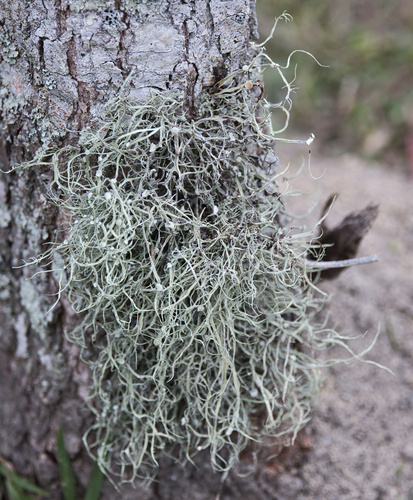
Southern Strap
Ramalina stenospora
Edibility unknown — do not eat -
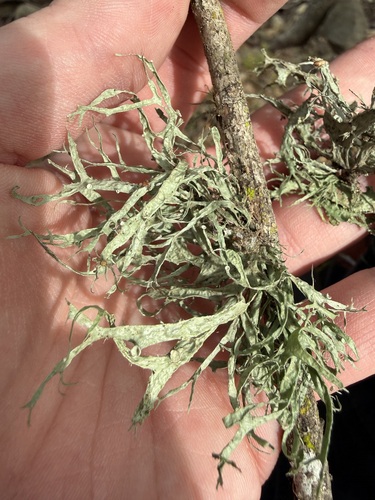
Western Strap Lichen
Ramalina leptocarpha
Edibility unknown — do not eat
Never eat a wild mushroom based on this site or any app. See safety basics and the disclaimer.