

Fire Island National Seashore
- Manager
- National Park Service
- Designation
- National Lakeshore or Seashore
- Size
- 2,905 acres
- Region
- New York
Mushroom harvest rules
Restricted
US National Parks (National Park Service)
Removing plants is prohibited in national parks unless the superintendent allows it. Gathering is limited to items the park designates. Mushrooms are not named in the rule and parks differ, so check the park first.
36 CFR 2.1(a) prohibits possessing, removing or disturbing plants or their parts. Under 2.1(c) a superintendent may designate certain fruits, berries, nuts or unoccupied seashells for hand gathering for personal use or consumption, but only after a written determination that gathering will not adversely affect park resources. The superintendent may also limit the size, quantity or location. Sale or commercial use of natural products is prohibited. The regulation does not name mushrooms, so it varies by park. Glacier's compendium prohibits picking mushrooms, while Mount Rainier allows one gallon per person per day for personal use. Check the park's compendium.
Official source: eCFR: 36 CFR 2.1 Preservation of natural, cultural and archeological resources
Last verified: November 12, 2026
Rules change. Confirm with the land manager before you pick.
See the foraging laws for New York.
Location
The marker shows an approximate point, not a boundary. Check the manager's map for exact borders and access points.
Species recorded in New York and in season now
Based on state-wide records for this month, not specific to this land. Edibility rules still apply: never eat a wild mushroom based on this site.
-
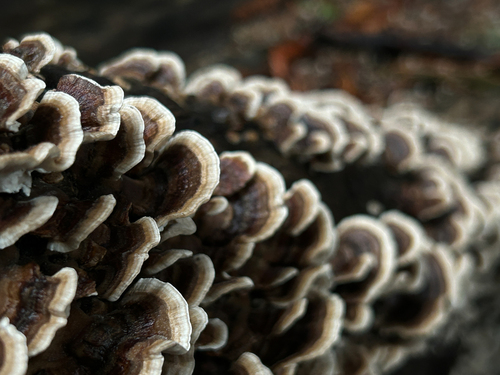
Turkeytail
Trametes versicolor
Edibility unknown — do not eat -
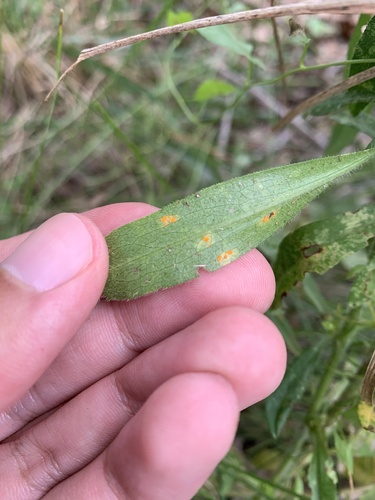
Western Pine-Aster Rust
Coleosporium asterum
Edibility unknown — do not eat -
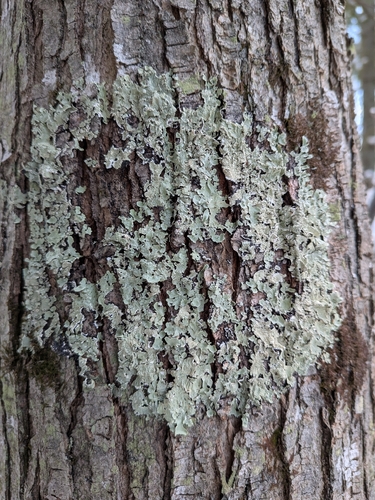
40-mile Per Hour Lichen
Flavoparmelia caperata
Edibility unknown — do not eat -
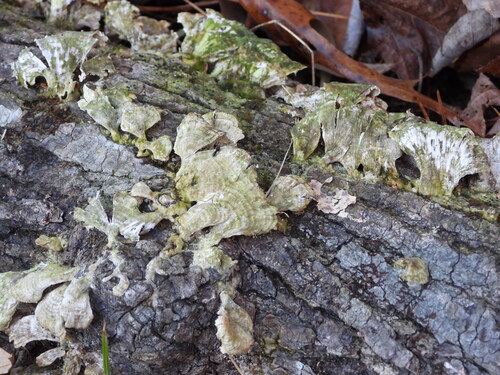
Violet-toothed Polypore
Trichaptum biforme
Inedible -
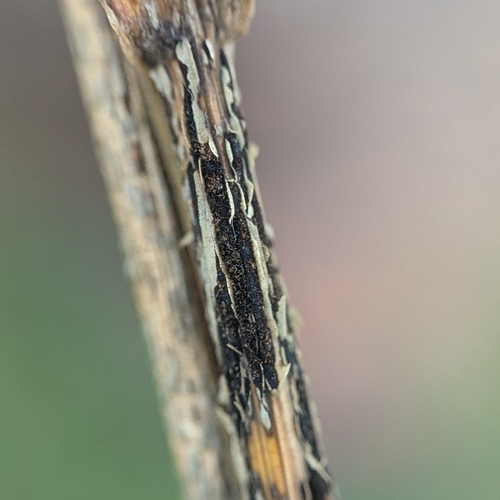
Black Stem Rust
Puccinia graminis
Edibility unknown — do not eat -
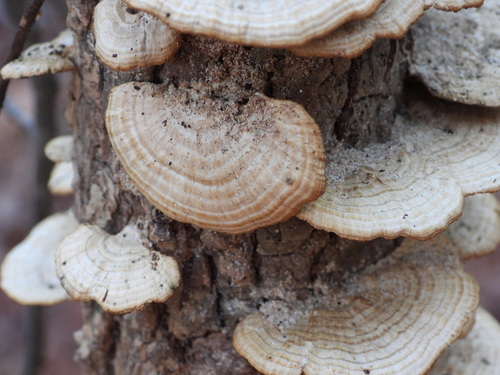
Blushing Bracket
Daedaleopsis confragosa
Inedible -
Phyllactinia alnicola
Edibility unknown — do not eat -
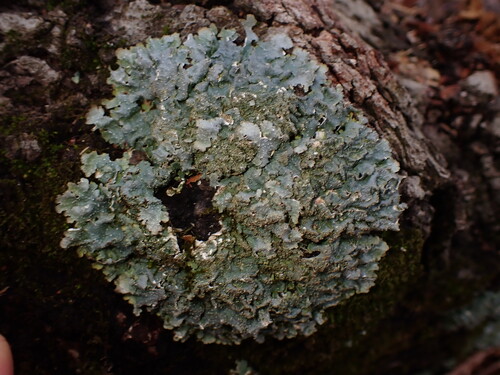
rough speckled shield lichen
Punctelia rudecta
Edibility unknown — do not eat -
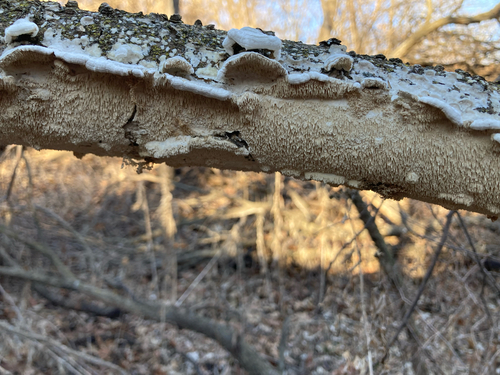
Milk-white Toothed Polypore
Irpex lacteus
Inedible -
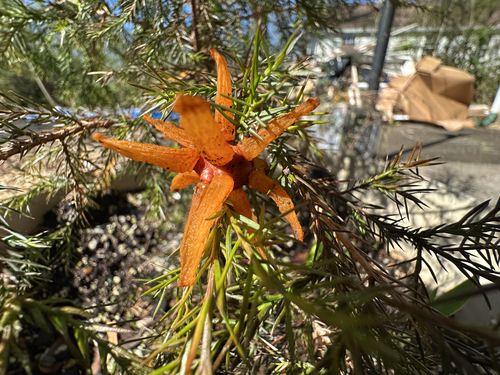
Juniper-hawthorn rust
Gymnosporangium globosum
Edibility unknown — do not eat -
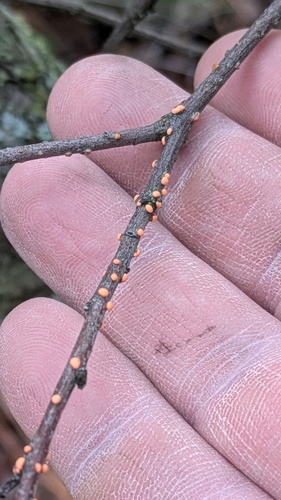
Coral Spot
Nectria cinnabarina
Edibility unknown — do not eat -
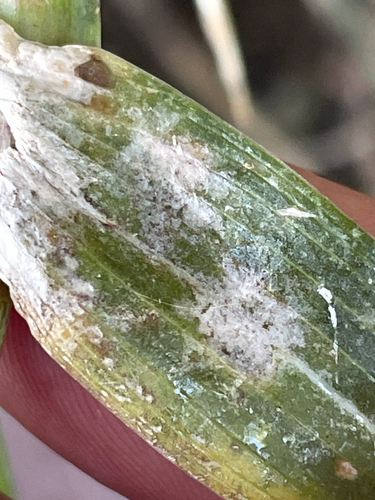
Golovinomyces cichoracearum
Edibility unknown — do not eat
Land data: USGS PAD-US (public domain).