

Peltigera gowardii
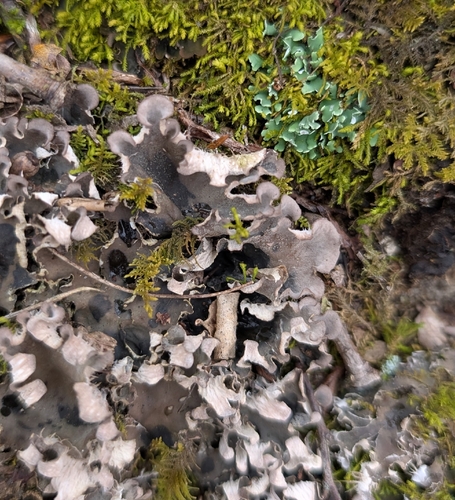
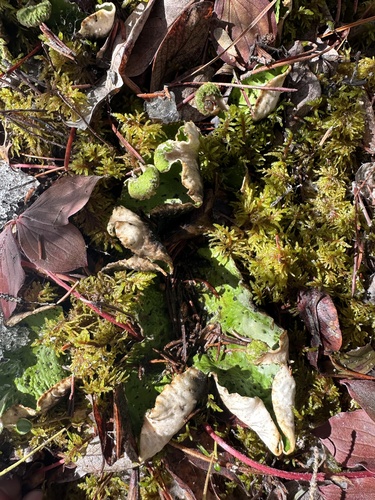
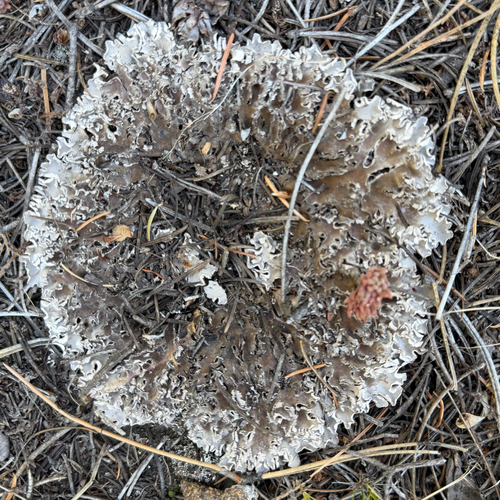
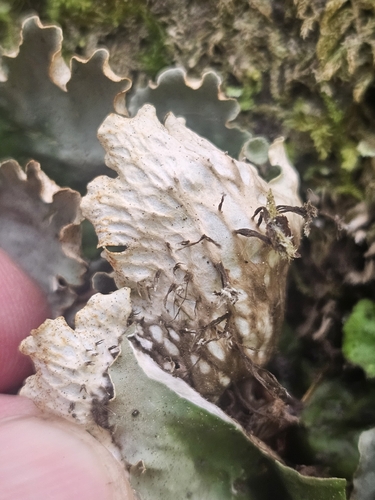
Peltigera gowardii Lendemer & H.E.O'Brien
Edibility
Edibility unknown — do not eat
Never eat a wild mushroom based on this site or any app.
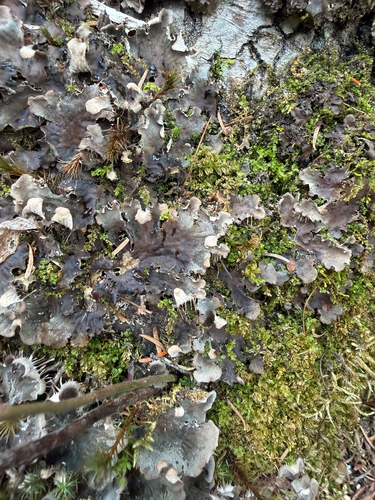
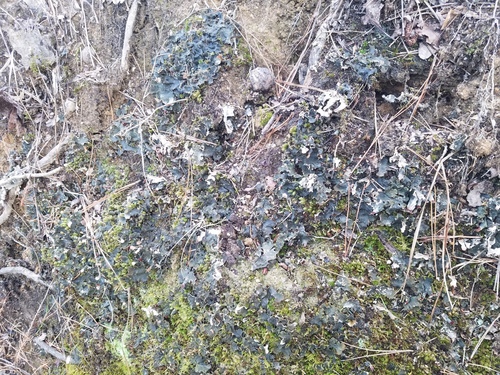
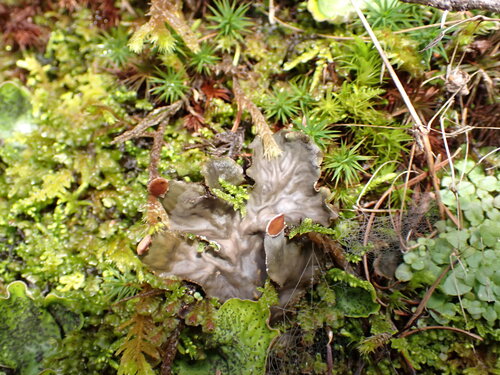
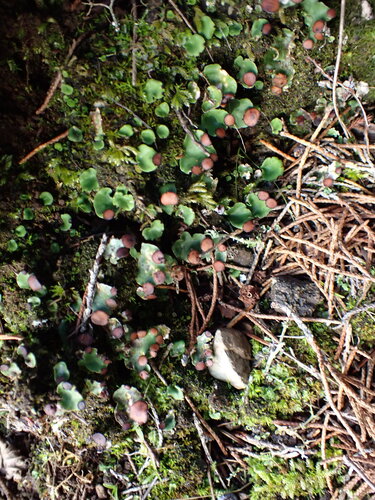
Photos
-
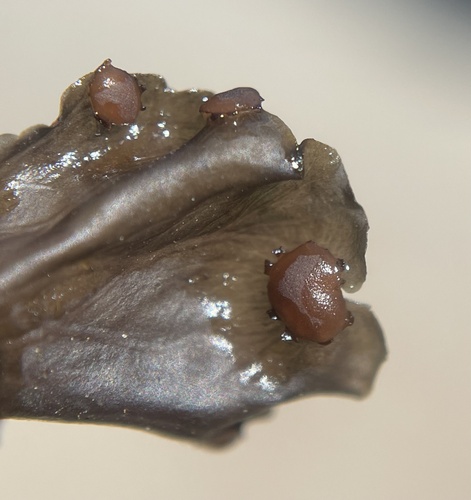
Photo: Matt Berger. CC-BY. Source (inaturalist) -
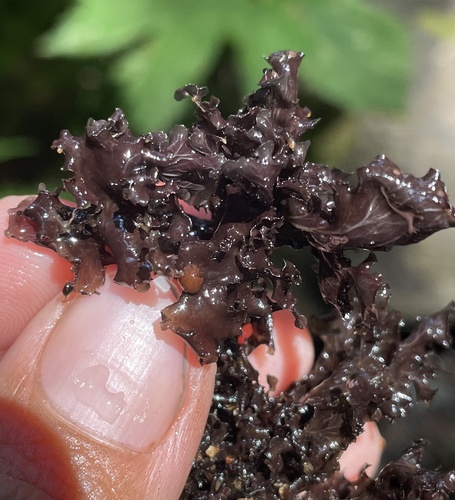
Photo: Matt Berger. CC-BY. Source (inaturalist) -
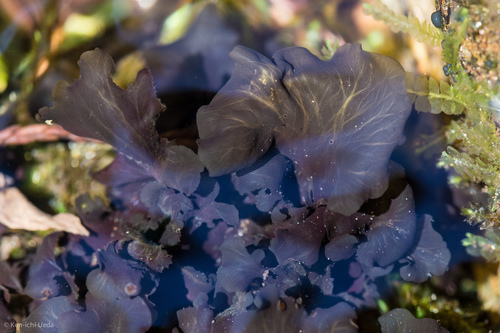
Photo: Ken-ichi Ueda. CC-BY. Source (inaturalist) -
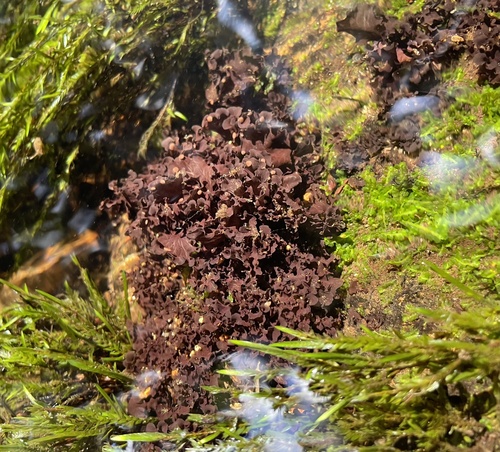
Photo: Matt Berger. CC-BY. Source (inaturalist)
Lookalikes
No lookalikes are recorded for this species yet. That does not mean there are none. Many mushrooms look alike, so never rely on appearance alone.
Season
When this species has been recorded, by month, from open-licensed US and Canada observations. It shows when people report it, not a guarantee it is fruiting.
The highlighted bar is the current month.
View season data as a table
| Month | Records |
|---|---|
| January | 0 |
| February | 0 |
| March | 0 |
| April | 0 |
| May | 2 |
| June | 2 |
| July | 4 |
| August | 13 |
| September | 12 |
| October | 5 |
| November | 5 |
| December | 0 |
Where it is found
States and provinces with the most records. Check the foraging rules for the place you plan to visit.
- Washington 22 records · Foraging rules
- British Columbia 16 records · Foraging rules
- California 5 records · Foraging rules
- Oregon 3 records · Foraging rules
- Alaska 1 records · Foraging rules
- New York 1 records · Foraging rules
About
Peltigera hydrothyria, commonly known as the waterfan, is a relatively rare aquatic lichen in the family Peltigeraceae, native to North America. It grows in cold, clean mountain streams, where it attaches to rocks and bedrock in shaded, riparian habitats. First described in 1856 as Hydrothyria venosa, it was initially placed in its own genus due to its distinctive gelatinous thallus and aquatic lifestyle. Molecular studies later demonstrated its affinity with the genus Peltigera, leading to its reclassification in 2000. The lichen forms small, blackish rosettes with ruffled margins and prominent veining, features that help it thrive in submerged or semi-aquatic habitats. Three genetically distinct lineages are now recognized within the species, corresponding to eastern North America (var. hydrothyria) and western North America (vars. gowardii and aquatica). The eastern variety, var. hydrothyria, is listed as Endangered on the IUCN Red List due to significant population declines across its range, driven by habitat loss, pollution, and climate change. Western North American populations (vars. gowardii and aquatica) face similar threats, including logging, land development, and watershed disruption, although these varieties are generally less studied and monitored. Peltigera hydrothyria plays an ecological role in nutrient-poor environments through its symbiotic relationship with cyanobacteria, which enables nitrogen fixation. Its distinct morphology and ecological preferences differentiate it from other aquatic lichens, such as Leptogium rivale. Ongoing research seeks to clarify the species’ population genetics, habitat requirements, and response to changing environmental conditions, providing critical insights for its conservation. This research has underscored the importance of preserving riparian habitats, not only for this species but also for maintaining broader biodiversity in freshwater ecosystems.
From Wikipedia, CC BY-SA 4.0. Read the original article.
Recent finds
No community finds tagged with this species yet. Log a find.
More in the genus Peltigera
-
Dog-lichen
Peltigera canina
Edibility unknown — do not eat -
Common Freckle Pelt Lichen
Peltigera aphthosa
Edibility unknown — do not eat -
Field Dog-lichen
Peltigera rufescens
Edibility unknown — do not eat -
ruffled freckled pelt lichen
Peltigera leucophlebia
Edibility unknown — do not eat -
scaly pelt lichen
Peltigera praetextata
Edibility unknown — do not eat -
Many-fruited Pelt Lichen
Peltigera polydactylon
Edibility unknown — do not eat -
membranous pelt lichen
Peltigera membranacea
Edibility unknown — do not eat -
Pixie Gowns Lichen
Peltigera venosa
Edibility unknown — do not eat
Never eat a wild mushroom based on this site or any app. See safety basics and the disclaimer.