

Collemopsidium foveolatum
Collemopsidium foveolatum (A.L.Sm.) F.Mohr
Edibility
Edibility unknown — do not eat
Never eat a wild mushroom based on this site or any app.
Photos
-
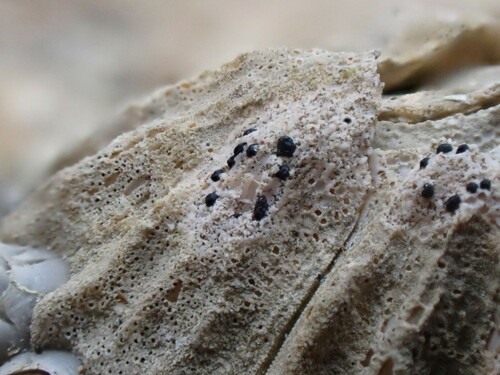
Photo: Randal. CC0. Source (inaturalist) -
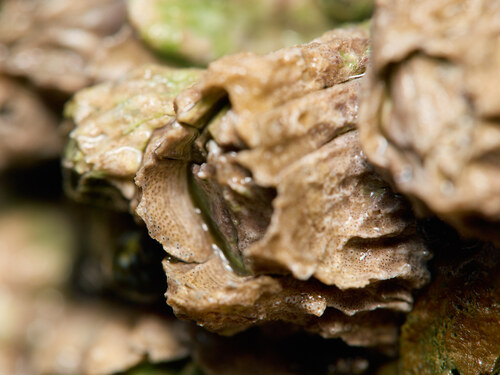
Photo: wweellll. CC-BY. Source (inaturalist) -
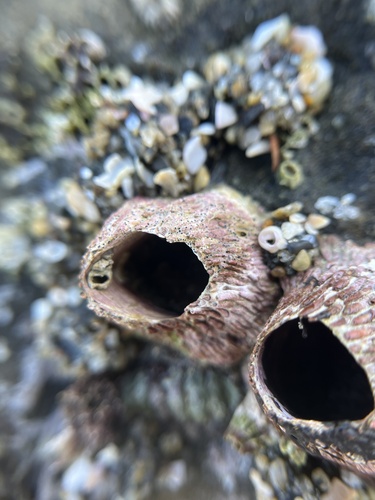
Photo: harrier. CC-BY. Source (inaturalist) -
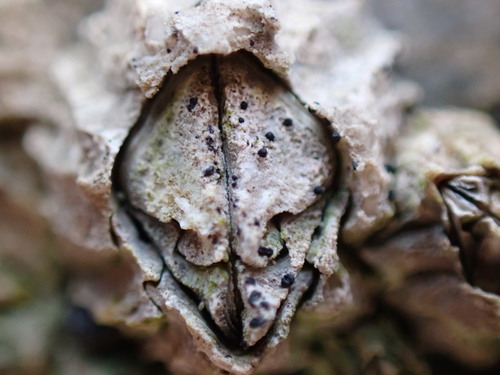
Photo: Randal. CC0. Source (inaturalist)
Lookalikes
No lookalikes are recorded for this species yet. That does not mean there are none. Many mushrooms look alike, so never rely on appearance alone.
Season
When this species has been recorded, by month, from open-licensed US and Canada observations. It shows when people report it, not a guarantee it is fruiting.
The highlighted bar is the current month.
View season data as a table
| Month | Records |
|---|---|
| January | 0 |
| February | 0 |
| March | 3 |
| April | 6 |
| May | 0 |
| June | 2 |
| July | 0 |
| August | 1 |
| September | 1 |
| October | 1 |
| November | 1 |
| December | 0 |
Where it is found
States and provinces with the most records. Check the foraging rules for the place you plan to visit.
- British Columbia 9 records · Foraging rules
- Oregon 2 records · Foraging rules
- Washington 2 records · Foraging rules
- Newfoundland and Labrador 1 records · Foraging rules
- California 1 records · Foraging rules
About
Collemopsidium foveolatum is a species of lichen in the family Xanthopyreniaceae. It is a marine lichen that grows entirely embedded within calcareous substrates in the intertidal zone, particularly on limestone rocks and marine shells. The species is characterised by its minute, black, sunken reproductive structures (perithecia) that measure 0.10–0.24 mm in diameter and create small pits in the substrate. First described in 1911 from specimens collected in England, it has since been documented along coastlines in western Europe, North America and North Africa. The species can be distinguished from similar marine lichens by its consistently small, deeply embedded perithecia and its ability to maintain stable growth by keeping pace with natural substrate erosion.
From Wikipedia, CC BY-SA 4.0. Read the original article.
Recent finds
No community finds tagged with this species yet. Log a find.
More in the genus Collemopsidium

Never eat a wild mushroom based on this site or any app. See safety basics and the disclaimer.