

Wahlenbergiella mucosa
Wahlenbergiella mucosa (Wahlenb. ex Ach.) Gueidan & Thüs
Edibility
Edibility unknown — do not eat
Never eat a wild mushroom based on this site or any app.
Photos
-
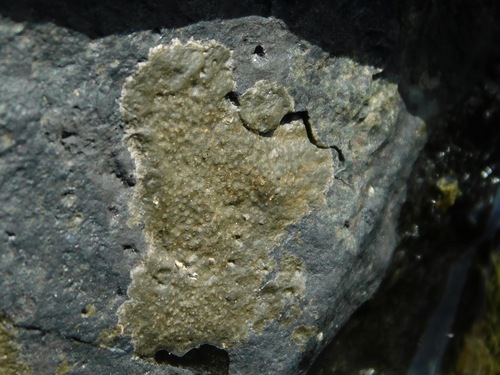
Photo: Michael J. Papay. CC-BY. Source (inaturalist) -
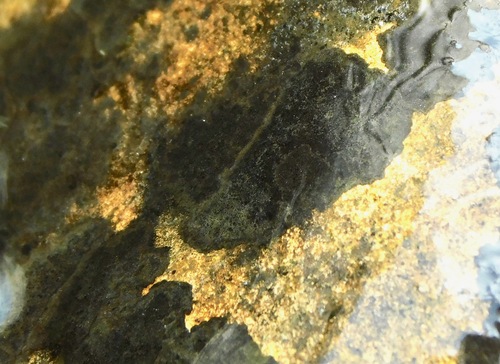
Photo: Michael J. Papay. CC-BY. Source (inaturalist) -
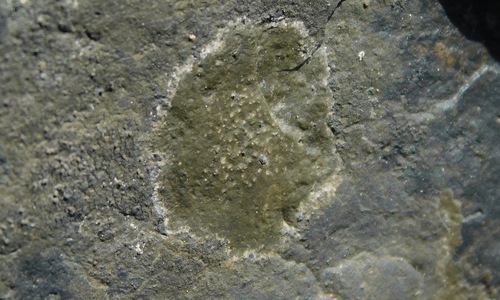
Photo: Michael J. Papay. CC-BY. Source (inaturalist) -
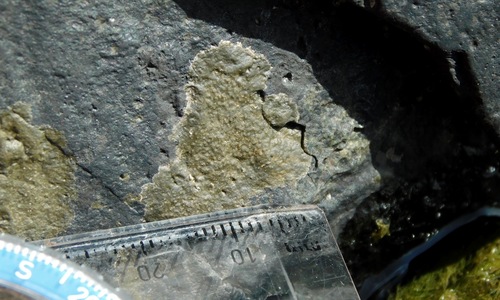
Photo: Michael J. Papay. CC-BY. Source (inaturalist)
Lookalikes
No lookalikes are recorded for this species yet. That does not mean there are none. Many mushrooms look alike, so never rely on appearance alone.
Season
When this species has been recorded, by month, from open-licensed US and Canada observations. It shows when people report it, not a guarantee it is fruiting.
The highlighted bar is the current month.
View season data as a table
| Month | Records |
|---|---|
| January | 1 |
| February | 1 |
| March | 0 |
| April | 7 |
| May | 19 |
| June | 42 |
| July | 99 |
| August | 93 |
| September | 9 |
| October | 2 |
| November | 4 |
| December | 0 |
Where it is found
States and provinces with the most records. Check the foraging rules for the place you plan to visit.
- Maine 78 records · Foraging rules
- Nova Scotia 63 records · Foraging rules
- Massachusetts 62 records · Foraging rules
- Newfoundland and Labrador 48 records · Foraging rules
- British Columbia 15 records · Foraging rules
- New Brunswick 11 records · Foraging rules
- Washington 10 records · Foraging rules
- Vermont 7 records · Foraging rules
- New Hampshire 6 records · Foraging rules
- Alaska 5 records · Foraging rules
- North Carolina 3 records · Foraging rules
- New York 1 records · Foraging rules
- Quebec 1 records · Foraging rules
About
Wahlenbergiella mucosa is a species of saxicolous (rock-dwelling), crustose lichen in the family Verrucariaceae. It is a marine species that grows in the littoral zone, and therefore remains immersed in seawater for extended periods. The lichen forms a smooth, shiny thallus up to 1 mm thick that varies in colour from olive-green in shaded areas to dark green or black in full sunlight. First described by Erik Acharius in 1803 as a member of the genus Verrucaria, it was reclassified in 2009 to the genus Wahlenbergiella following molecular phylogenetics research. The species is very common throughout Britain and Ireland (except southeastern England), growing among barnacles and macroalgae, particularly on exposed shores where it forms extensive patches. It has been studied as a potential bioindicator of coastal water pollution.
From Wikipedia, CC BY-SA 4.0. Read the original article.
Recent finds
No community finds tagged with this species yet. Log a find.
More in the genus Wahlenbergiella
Never eat a wild mushroom based on this site or any app. See safety basics and the disclaimer.