

Olive Peacock Spot
Venturia oleaginea (Castagne) Rossman & Crous
Also called: olive ring spot
Edibility
Edibility unknown — do not eat
Never eat a wild mushroom based on this site or any app.
Photos
-
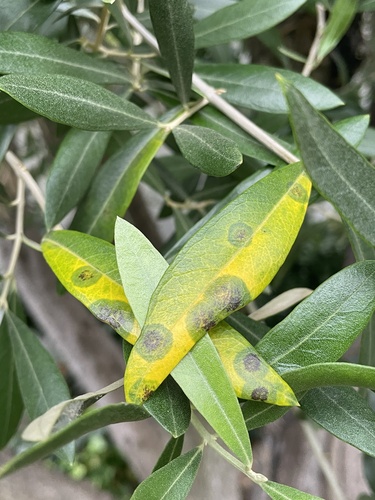
Photo: Emily Langdon-Lassagne. CC0. Source (inaturalist) -
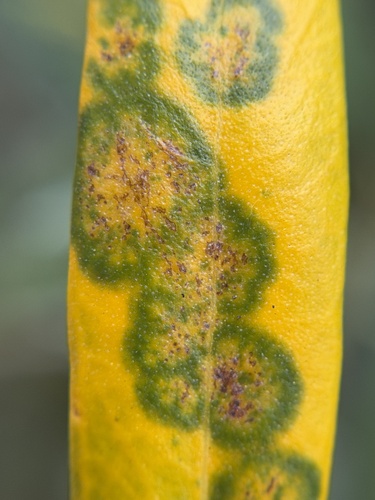
Photo: Alex Heyman. CC0. Source (inaturalist)
Lookalikes
No lookalikes are recorded for this species yet. That does not mean there are none. Many mushrooms look alike, so never rely on appearance alone.
Season
When this species has been recorded, by month, from open-licensed US and Canada observations. It shows when people report it, not a guarantee it is fruiting.
The highlighted bar is the current month.
View season data as a table
| Month | Records |
|---|---|
| January | 1 |
| February | 1 |
| March | 0 |
| April | 0 |
| May | 0 |
| June | 1 |
| July | 0 |
| August | 7 |
| September | 0 |
| October | 0 |
| November | 0 |
| December | 0 |
Where it is found
States and provinces with the most records. Check the foraging rules for the place you plan to visit.
- California 8 records · Foraging rules
About
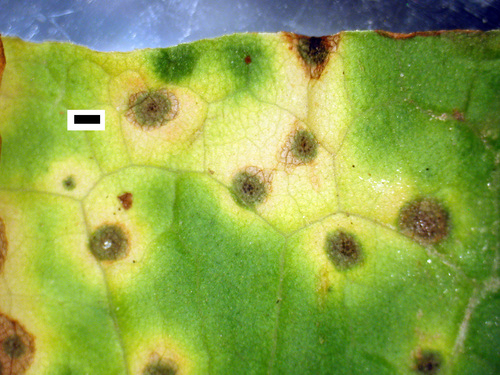
Venturia oleaginea is a fungal plant pathogen, the cause of the disease peacock leaf spot, also known as olive peacock spot, olive leaf spot and bird's eye spot. This plant disease commonly affects the leaves of olive trees worldwide. The disease affects trees throughout the growing season and can cause significant losses in yield. The disease causes blemishes on the fruit, delays ripening, and reduces the yield of oil. Defoliation and in severe cases, twig death, can occur, and the disease can have long-term health effects on the trees.
From Wikipedia, CC BY-SA 4.0. Read the original article.
Recent finds
No community finds tagged with this species yet. Log a find.
More in the genus Venturia
-
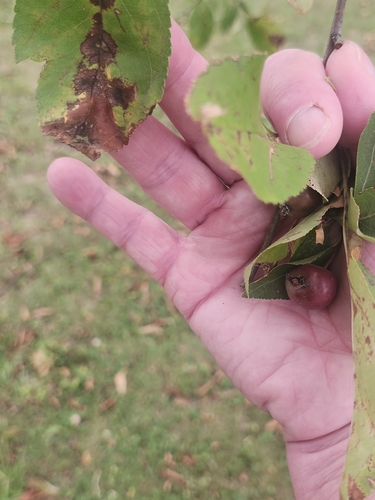
Apple Scab
Venturia inaequalis
Edibility unknown — do not eat -
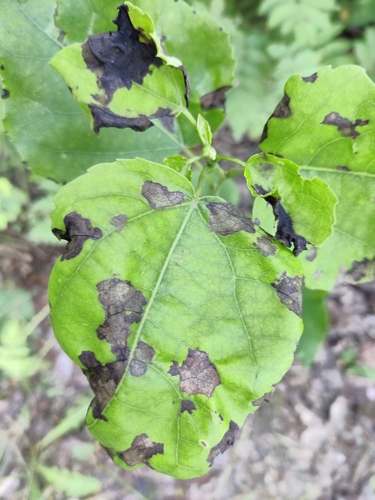
Venturia radiosa
Edibility unknown — do not eat - No photo yet
Pear Scab
Venturia pyrina
Edibility unknown — do not eat - No photo yet
Peach Scab
Venturia carpophila
Edibility unknown — do not eat - No photo yet
pecan scab
Venturia effusa
Edibility unknown — do not eat -
Venturia rumicis
Edibility unknown — do not eat - No photo yet
Venturia ditricha
Edibility unknown — do not eat - No photo yet
Poplar Shoot Blight
Venturia populina
Edibility unknown — do not eat
Never eat a wild mushroom based on this site or any app. See safety basics and the disclaimer.