

Lactarius aurantiosordidus
Lactarius aurantiosordidus Nuytinck & S.L.Mill.
Safety first
Many edible mushrooms have toxic lookalikes, and some of those can be fatal. Have any mushroom identified in person by a local expert before you eat it.
If someone may have eaten a wild mushroom, call US Poison Control at 1-800-222-1222 or 911 right away. In Canada, call your provincial poison centre or 911.
Edibility
Edible (per source) Source: Wikipedia: Lactarius aurantiosordidus
Classification from Wikipedia: Lactarius aurantiosordidus. Sources can be wrong or incomplete, and people react differently.
Never eat a wild mushroom based on this site or any app.
Lookalikes
No lookalikes are recorded for this species yet. That does not mean there are none. Many mushrooms look alike, so never rely on appearance alone.
Season
When this species has been recorded, by month, from open-licensed US and Canada observations. It shows when people report it, not a guarantee it is fruiting.
The highlighted bar is the current month.
View season data as a table
| Month | Records |
|---|---|
| January | 0 |
| February | 0 |
| March | 0 |
| April | 1 |
| May | 0 |
| June | 1 |
| July | 1 |
| August | 7 |
| September | 26 |
| October | 9 |
| November | 9 |
| December | 1 |
Where it is found
States and provinces with the most records. Check the foraging rules for the place you plan to visit.
- California 17 records · Foraging rules
- British Columbia 12 records · Foraging rules
- Quebec 2 records · Foraging rules
- Alaska 2 records · Foraging rules
Identification traits
| Cap shape | depressed |
|---|---|
| Underside (gills, pores or teeth) | gills |
| Ecology | mycorrhizal |
| Stem features | bare |
Traits vary. Use them to ask better questions of an expert, not to make a final call.
About
Lactarius aurantiosordidus, commonly known as the sordid orange milk cap, is a species of Lactarius fungus found from northern California to Alaska. It has an orangish cap, often with greenish stains. The gills are also orangish, also with greenish stains. When cut, this mushroom produces a small amount of orangish latex. It is found coastal forests, where it forms a symbiotic relationship with sitka spruce.
From Wikipedia, CC BY-SA 4.0. Read the original article.
Recent finds
No community finds tagged with this species yet. Log a find.
More in the genus Lactarius
-
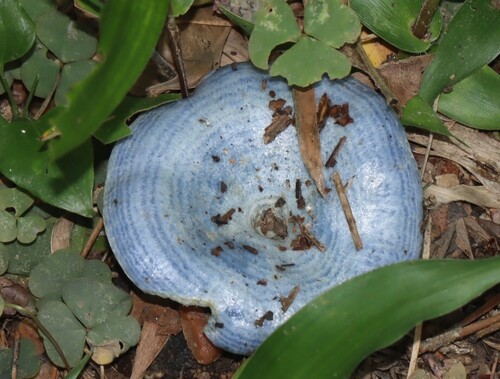
Indigo Milk Cap
Lactarius indigo
Edible (per source) -
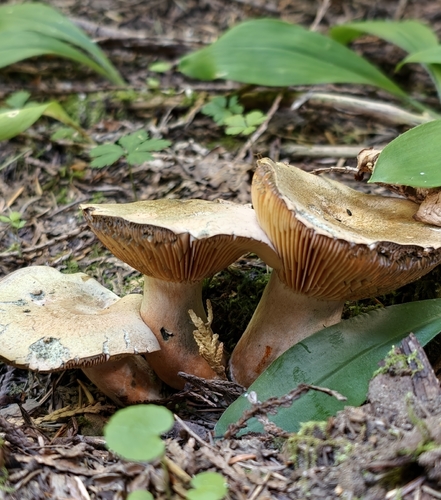
Saffron Milkcap
Lactarius deliciosus
Edible (per source) -
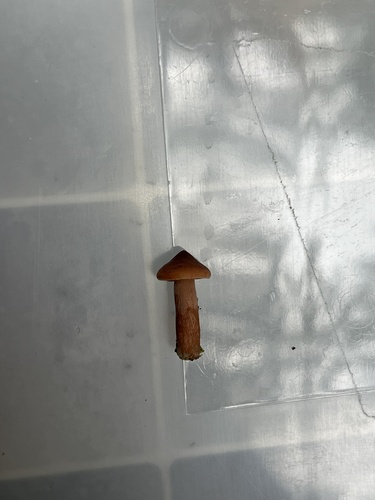
Mild Milkcap
Lactarius subdulcis
Edibility unknown — do not eat -
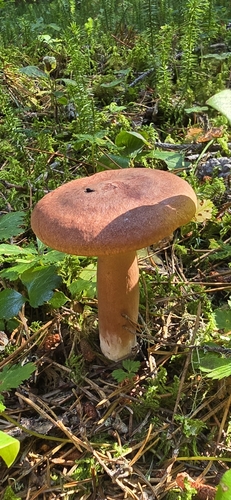
Rufous Milkcap
Lactarius rufus
Edibility unknown — do not eat -
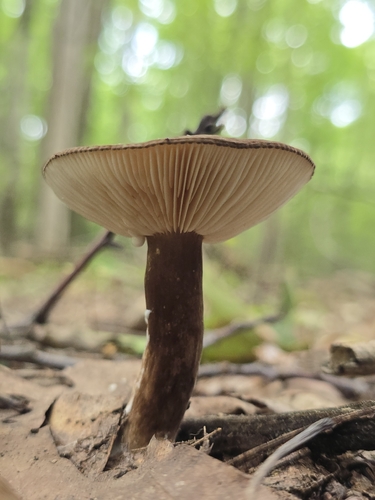
Velvet Milkcap
Lactarius lignyotus
Edibility unknown — do not eat -
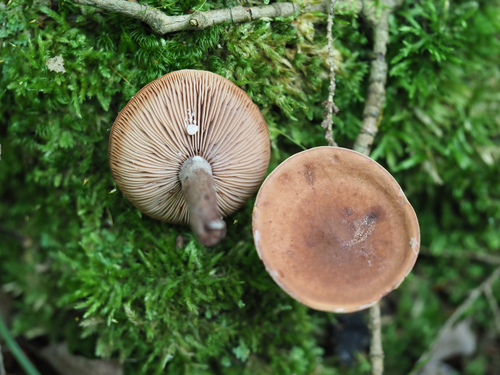
Curry Milkcap
Lactarius camphoratus
Edibility unknown — do not eat -
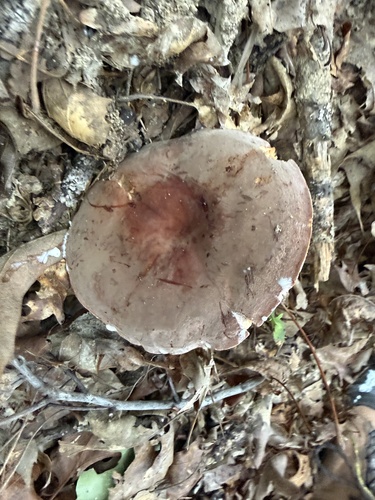
Corrugated-cap milky
Lactarius corrugis
Edible (per source) -
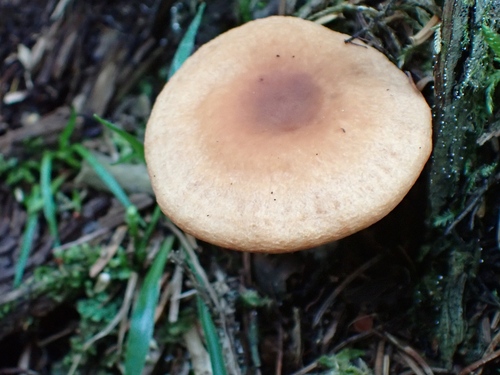
Birch Milkcap
Lactarius tabidus
Inedible
Never eat a wild mushroom based on this site or any app. See safety basics and the disclaimer.