

Grosmannia clavigera
Grosmannia clavigera (Rob.-Jeffr. & R.W.Davidson) Zipfel, Z.W.de Beer & M.J.Wingf.
Edibility
Edibility unknown — do not eat
Never eat a wild mushroom based on this site or any app.
Photos
-
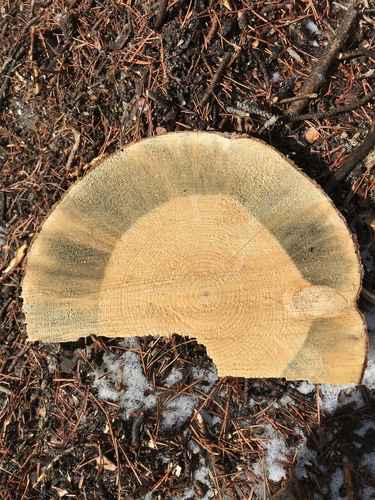
Photo: Caleb Catto. CC-BY. Source (inaturalist) -
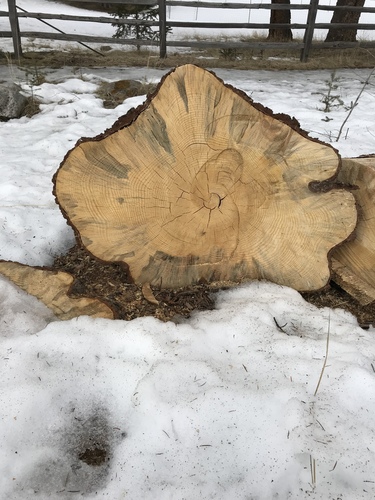
Photo: Caleb Catto. CC-BY. Source (inaturalist) -
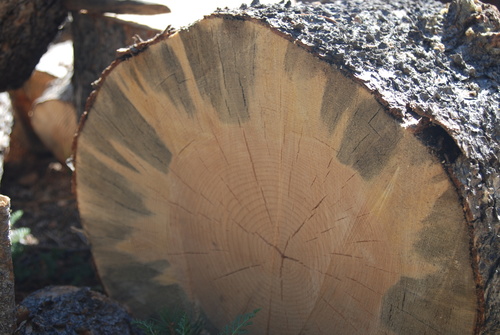
Photo: Loren Cassin Sackett. CC-BY. Source (inaturalist) -
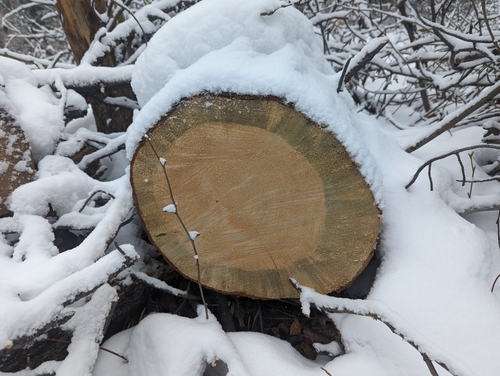
Photo: Caleb Catto. CC-BY. Source (inaturalist)
Lookalikes
No lookalikes are recorded for this species yet. That does not mean there are none. Many mushrooms look alike, so never rely on appearance alone.
Season
When this species has been recorded, by month, from open-licensed US and Canada observations. It shows when people report it, not a guarantee it is fruiting.
The highlighted bar is the current month.
View season data as a table
| Month | Records |
|---|---|
| January | 1 |
| February | 0 |
| March | 2 |
| April | 0 |
| May | 0 |
| June | 2 |
| July | 0 |
| August | 0 |
| September | 0 |
| October | 0 |
| November | 0 |
| December | 0 |
Where it is found
States and provinces with the most records. Check the foraging rules for the place you plan to visit.
- Alberta 3 records · Foraging rules
- British Columbia 1 records · Foraging rules
- Colorado 1 records · Foraging rules
About
Grosmannia clavigera is a species of sac fungus that causes blue stain in wood. It spreads to lodgepole pine, ponderosa pine, Douglas-fir, and whitebark pine trees from the body and a special structure in the heads of mountain pine beetles. The blue stain fungus has evolved a relationship with mountain pine beetles that allow them to travel from tree to tree on a special structure in the beetle's heads and stops the tree from producing resin to pitch out or kill the beetle, encouraging the pine beetle infestation occurring all along the Rocky Mountains from Mexico into Canada. The beetles are able to mine and lay eggs while avoiding the tree's defenses. The 33 Mb genome of this fungus was sequenced in 2009. Although previously considered to be asexual, C. clavigera appears to have the potential to reproduce sexually as indicated by the presence of mating type loci in the genome.
From Wikipedia, CC BY-SA 4.0. Read the original article.
Recent finds
No community finds tagged with this species yet. Log a find.
More in the genus Grosmannia
- No photo yet
Grosmannia americana
Edibility unknown — do not eat -

Grosmannia wageneri
Edibility unknown — do not eat - No photo yet
Grosmannia aurea
Edibility unknown — do not eat - No photo yet
Grosmannia sagmatospora
Edibility unknown — do not eat - No photo yet
Grosmannia abietina
Edibility unknown — do not eat - No photo yet
Grosmannia huntii
Edibility unknown — do not eat - No photo yet
Grosmannia olivacea
Edibility unknown — do not eat - No photo yet
Grosmannia olivaceapini
Edibility unknown — do not eat
Never eat a wild mushroom based on this site or any app. See safety basics and the disclaimer.